
Understand your dry eyes. Sleep better tonight.
Articles about dry eye, nighttime comfort, warmth, eyelid care and everyday habits, plus in-depth reading for eye care professionals.
All dry eye articles
30 articles

Flying for the Holidays? How to Keep Your Eyes Comfortable on the Plane
Dry cabin air, long hours on screens and sleeping upright can leave eyes feeling dry and tired after a flight. Here is why it happens and simple tips for before, during and after your trip.

Your 15-Minute Bedtime Routine for Dry, Tired Eyes
A simple, step-by-step evening routine with gentle warmth and overnight moisture, plus tips to make it a habit and answers to the most common questions.

Heat's On, Eyes Dry? Why Dry Eye Feels Worse in Fall and Winter
Indoor heating, dry outdoor air and long evenings on screens can leave eyes feeling dry and tired in the colder months. Here is why it happens and a simple routine to keep your eyes comfortable all season.
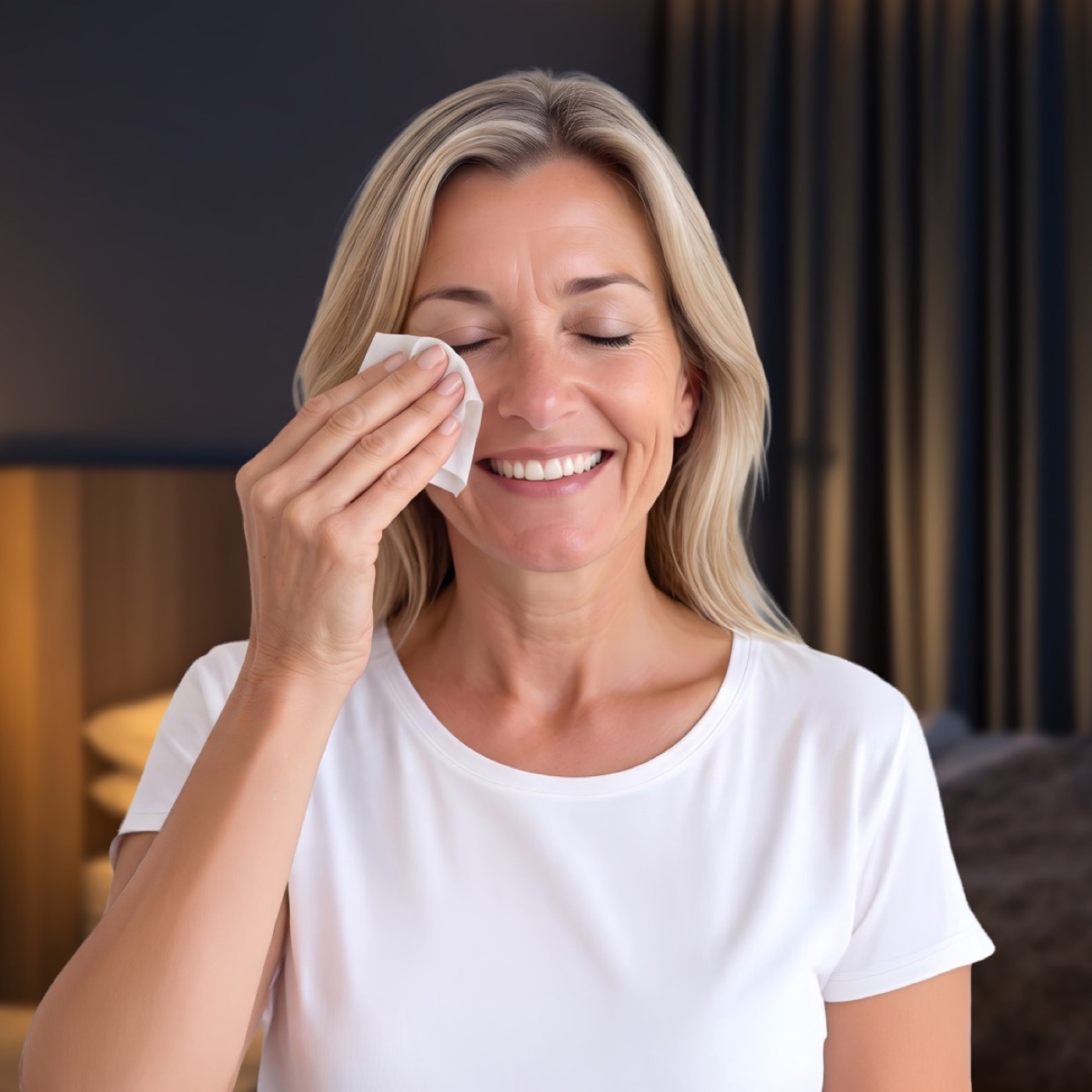
Warm compresses + lid hygiene: eye care's "gold standard" first step
Why eye doctors so often start with warmth and eyelid cleansing for dry, irritated eyes, what the research says, and how to make the two-step routine easy to keep.

Hormonal Shifts and Screen Time: Understanding Dry Eye in Women Over 35
Dry eye disease (DED) disproportionately affects women over 35, due in part to the interplay of hormonal fluctuations and increasing digital screen use. This article explores the dual impact of hormonal changes and prolonged screen.

How Diet Affects Dry Eye: Omega-3s, Hydration, and Inflammation
Dry Eye Disease (DED) is a multifactorial condition characterized by a loss of tear film homeostasis, ocular surface inflammation, and symptoms such as burning, grittiness, and blurred vision. Traditionally managed with artificial tears.
Hormonal Changes and Dry Eye in Women: What You Need to Know
Tears are more than just a response to emotion—they are a vital component of ocular health, protecting and nourishing the surface of the eye. Yet for millions of women, particularly those over 45, a silent and often overlooked.

Nighttime Dry Eye: Why It Happens and How to Treat It
Dry eye disease (DED) can be frustrating at any time of day, but many patients report that their symptoms feel noticeably worse at night or upon waking. This phenomenon, often referred to as “nighttime dry eye,” is more than just a.

Emerging Therapies for Dry Eye Disease: A Clinical Perspective
Dry eye disease (DED) affects millions of individuals worldwide and continues to be one of the most common reasons patients seek ophthalmic care. As our understanding of the condition evolves from a simple tear deficiency to a.
For professionals
Stop Ignoring This Signal: Dry Eye Symptoms
Dry Eye Disease (DED) is a prevalent and often underdiagnosed condition that affects millions globally. Characterized by a disruption in the tear film’s homeostasis, DED leads to ocular discomfort, visual disturbances, and potential damage.
The Hidden Epidemic: Why Dry Eye Is on the Rise Worldwide
Dry Eye Disease (DED) has emerged as a significant global health concern, affecting millions and impacting daily life and productivity. Characterized by inadequate tear production or excessive tear evaporation, DED leads to ocular.
Frequently Asked Questions About Dry Eye Treatment
Frequently Asked Questions About Dry Eye Treatment: Dry eye disease occurs when your eyes don’t produce enough tears or when your tears evaporate too quickly. Tears are made of three layers—oil, water, and mucus—that work together to keep.

Comparing Traditional vs. Innovative Dry Eye Treatments
Dry eye disease (DED) is a multifactorial condition that causes ocular discomfort and visual disturbance. Traditional management focuses on replenishing tears and reducing inflammation, while newer therapies aim to improve drug delivery or.
For professionals
The Role of Diet in Eye Health: Foods for Dry Eye Relief
Dry eye disease occurs when the tear film – a three-layered coating of oil, water, and mucin – cannot adequately protect the ocular surface. Diet and nutrition can influence tear production, inflammation, and overall eye comfort. Extensive.
Lifestyle Changes to Manage Chronic Dry Eyes
Six everyday changes, from screen breaks to sleep and diet, that can help dry eyes feel more comfortable.

Occupations Prone to Dry Eye Syndrome: Understanding the Risks and Solutions
Office workers, drivers, healthcare staff and outdoor workers face extra risk of dry eye. Here is why, and what helps.
Dry Eye Discomfort from Excessive Screen Use
Why long hours on screens can leave your eyes dry and tired, the symptoms to watch for, and simple habits that help.

Understanding Meibomian Gland Dysfunction: A Foundational Perspective
For professionals: an overview of meibomian gland dysfunction and the role of warmth and lubrication in daily care.
For professionals
Introducing EYELIVIO®: Dual-Action Dry Eye Care
Meet EYELIVIO: a self-warming eye mask and a preservative-free nighttime ointment in one simple bedtime routine.
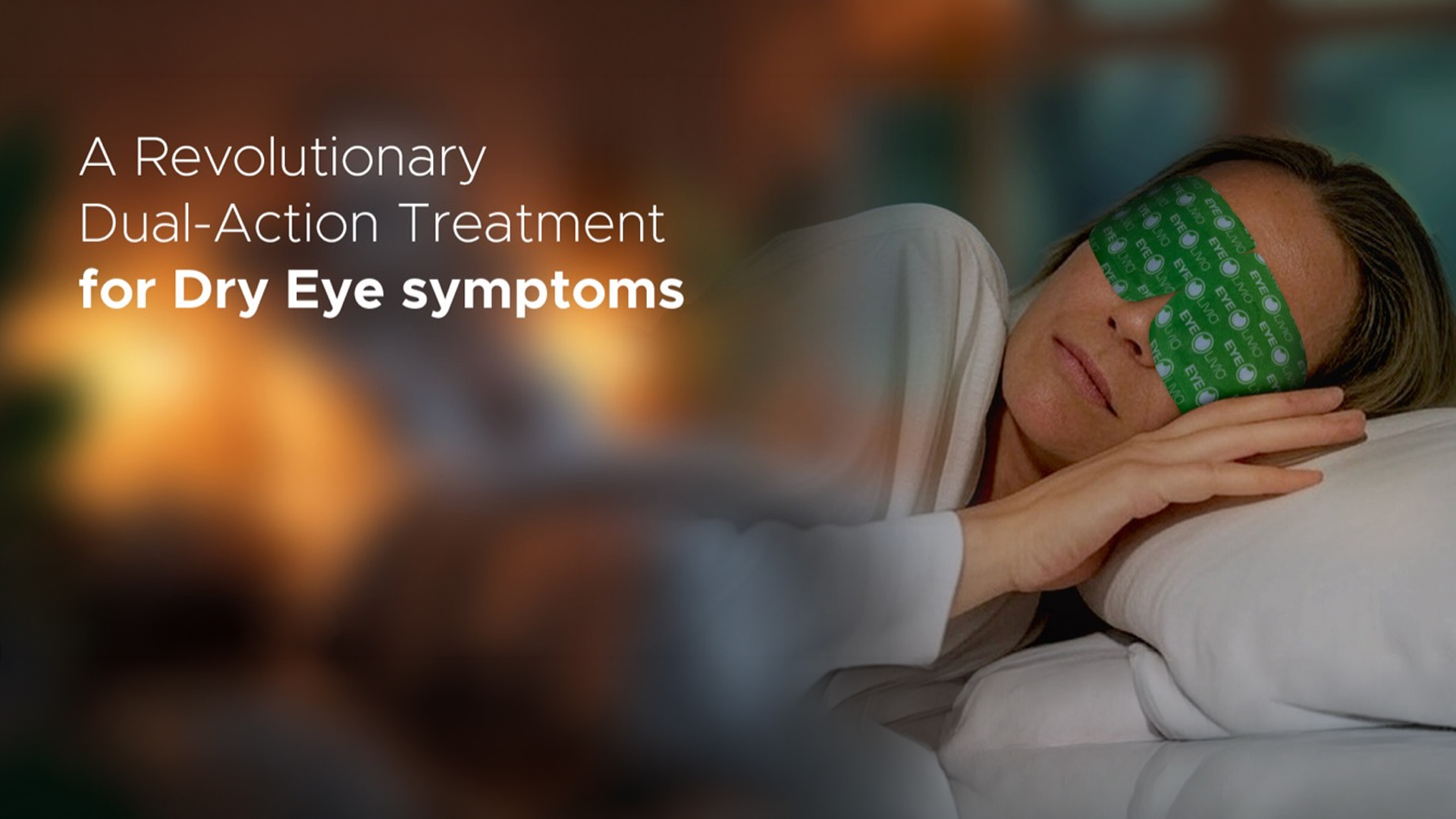
Understanding Evaporative Dry Eye Disease
Evaporative dry eye is the most common type of dry eye. Learn how it happens and which everyday steps can help.
For professionals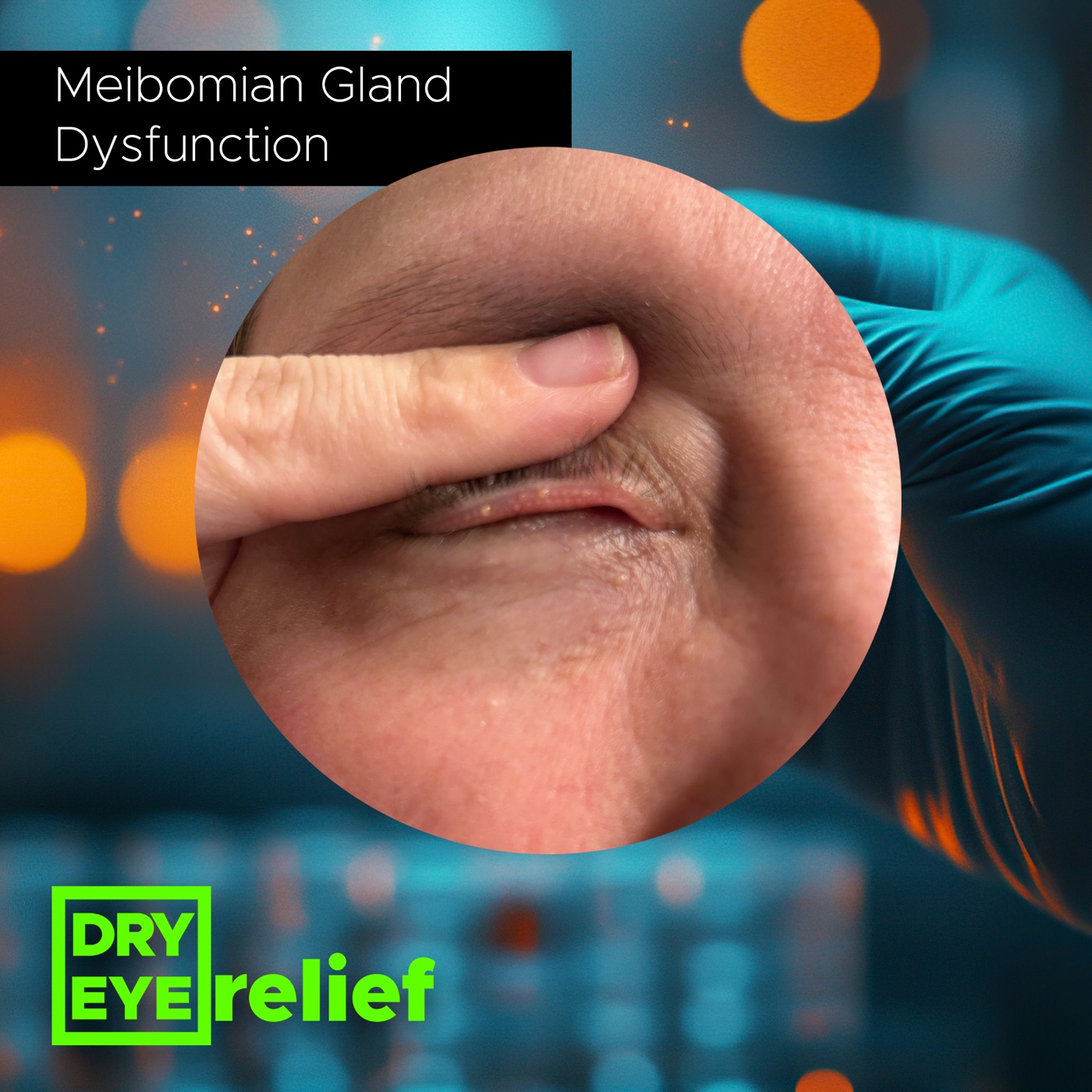
Localized Warm Compress Therapy in Meibomian Gland Dysfunction: A Comprehensive Overview
For professionals: how warm compresses work in meibomian gland dysfunction, what the evidence shows, and best practices.
For professionals
The Benefits of Self-Warming Masks for Dry, Tired Eyes
Why eye doctors often suggest warmth for dry, tired eyes, what the research says, and how self-warming masks make it easier.

Discover the EYELIVIO Complete Dry Eye Care Pack
What's inside the EYELIVIO Complete Dry Eye Care Pack and how to use it for a calm 15-minute bedtime routine.
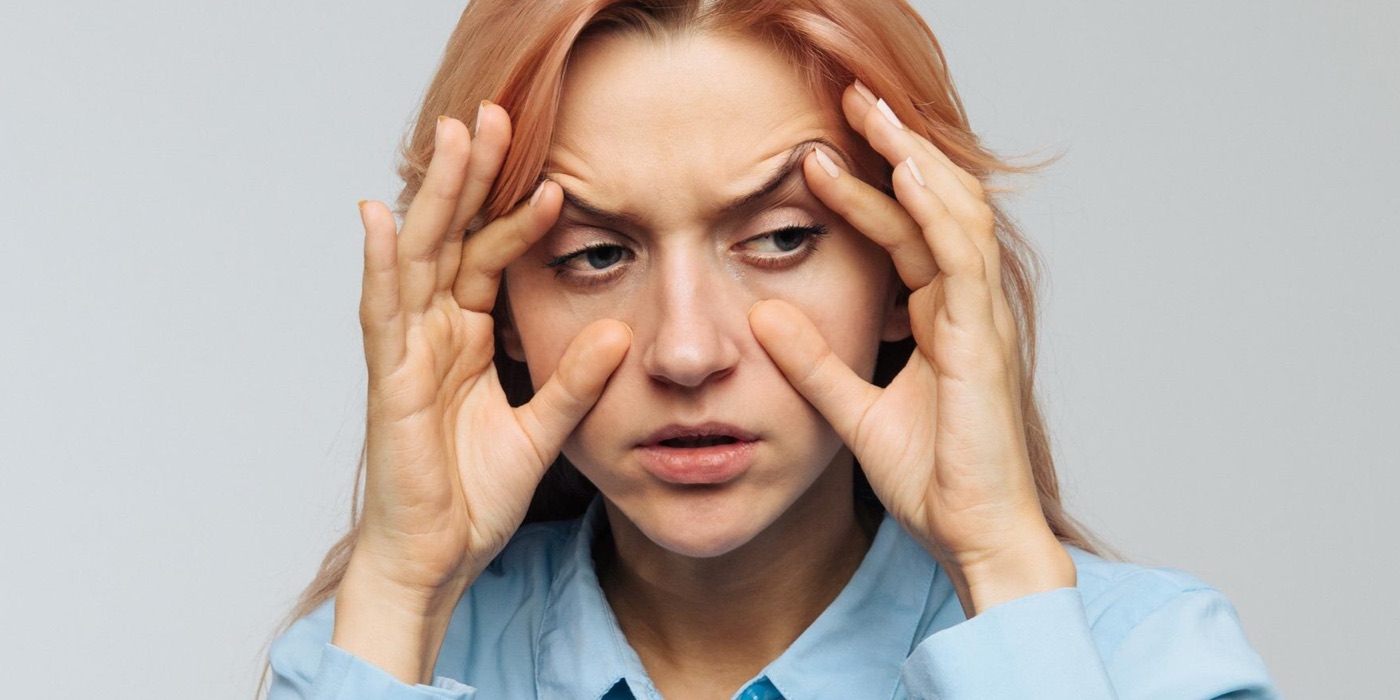
Understanding Meibomian Gland Dysfunction
Meibomian Gland Dysfunction (MGD) affects tear film stability, leading to ocular discomfort. Causes include aging, hormonal changes, contact lens wear, systemic conditions, and certain medications. Treatment options encompass warm.
For professionals
Effective Treatment Options for Dry Eye
Treating Dry eye syndrome involves a combination of lifestyle adjustments, over-the-counter remedies, prescription medications, and advanced treatments. This article explores various options to help women over 35 manage dry eye.
Understanding Dry Eye Disease: Symptoms, Causes, and Expert Insights
Dry Eye Disease Symptoms: Dry eye disease (DED), also known as keratoconjunctivitis sicca, is a chronic ocular condition affecting millions worldwide. Characterized by insufficient tear production or rapid tear evaporation, it leads to.
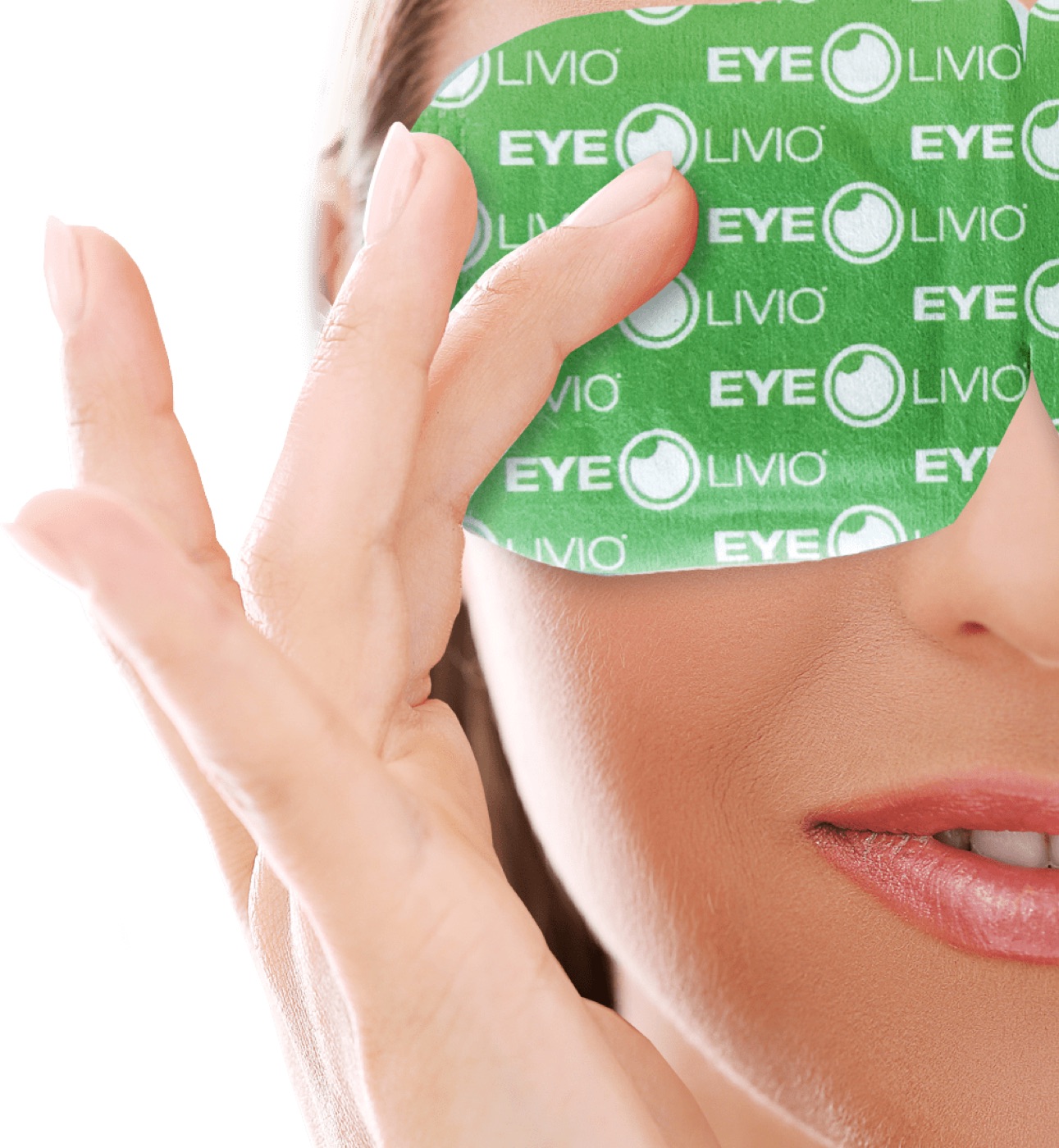
Do self-warm eye masks work?
What research says about warm eye masks, how warmth feels on tired eyes, and how to use a self-warming mask safely at home.
Recognizing the Symptoms of Dry Eye
Early detection of dry eye can lead to more effective management and treatment. Recognizing the symptoms is crucial for women over 35, who are at higher risk due to hormonal and lifestyle.

Common Causes of Dry Eye in Women Over 35
Why women over 35 are more likely to have dry eyes: hormonal changes, screen time, environment and lifestyle, plus simple ways to stay comfortable.
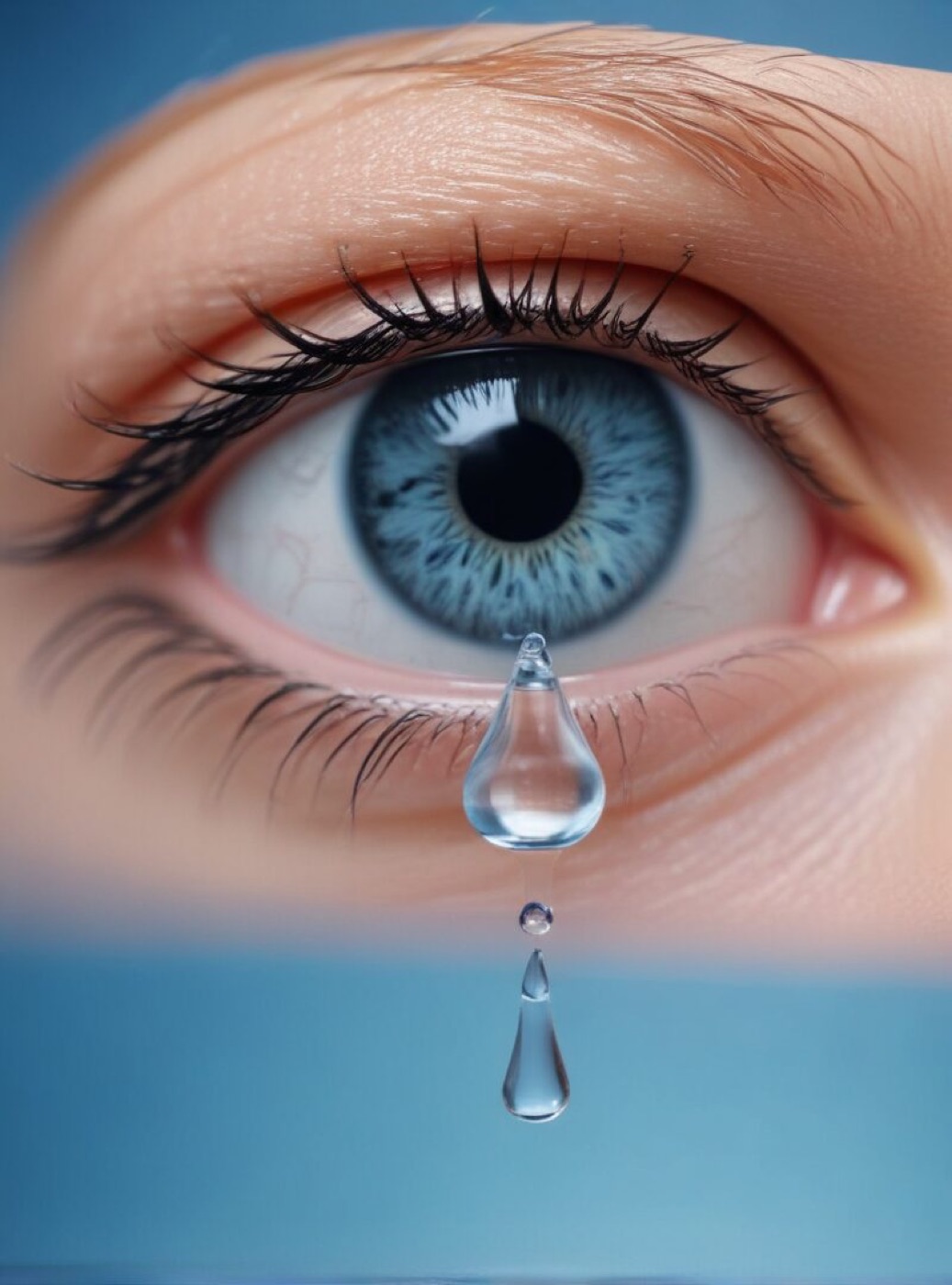
Understanding Dry Eye: An Overview for Women 35+
As women age, they may experience a variety of changes in their health and wellness. One common issue that often arises is dry eye. This condition can significantly impact daily life, making it important to understand what dry eye is and.
No articles match your search.